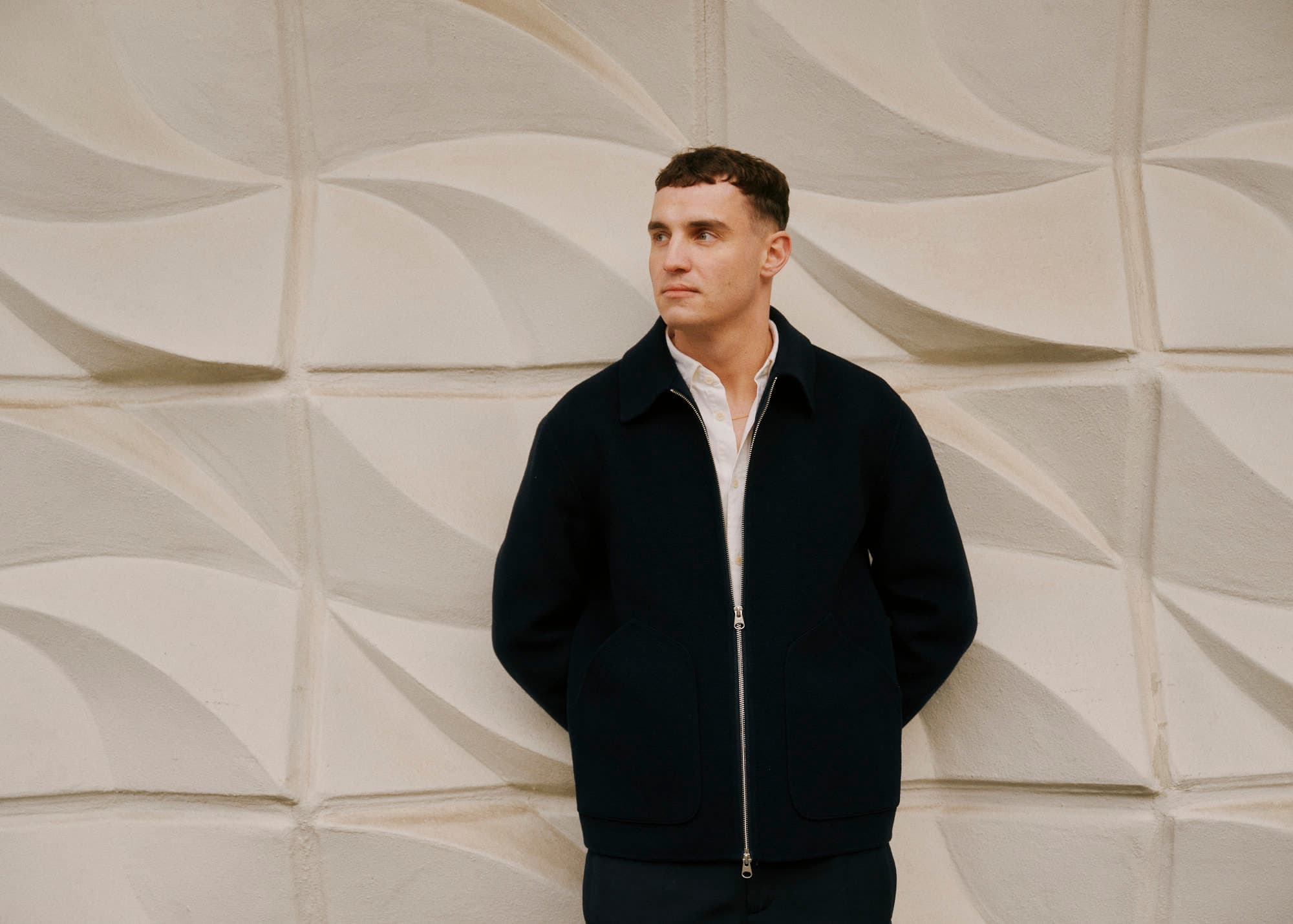
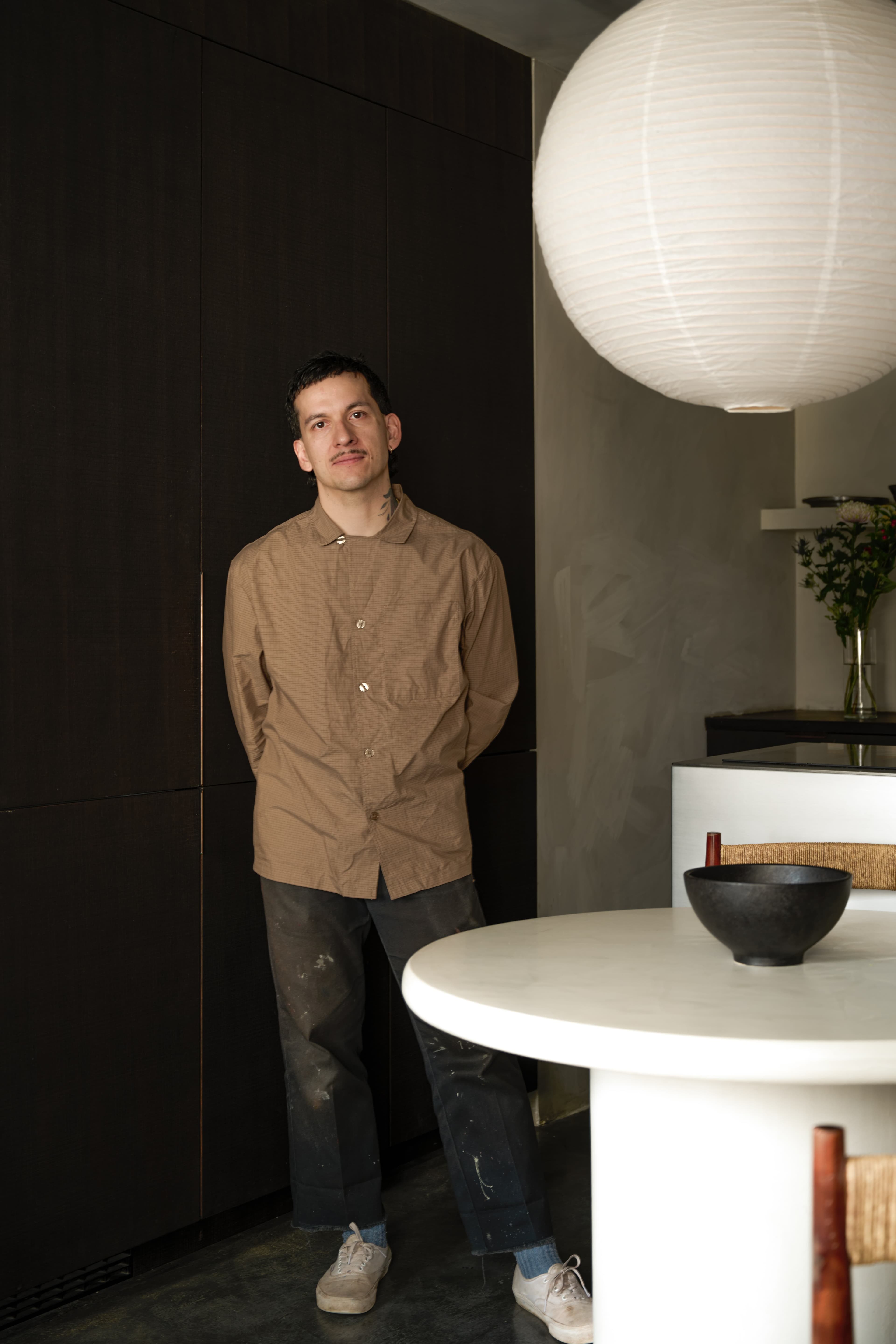
A Frank Chat with Plantea Studio
There is a particular calm that runs through the work of Plantea Studio. Spaces feel considered, grounded, and closely connected to their surroundings.
Based in Madrid, the studio was founded by brothers Lorenzo and Ignacio Borrego and today operates as a small collective practice. Working across residential projects, transformations of existing buildings, and new constructions, Plantea treats architecture as an extension of what already exists, rather than a replacement. Their work is guided by restraint, attention, and a deep respect for context, creating places that reveal themselves gradually over time.
In this Frank Chat, we speak with Plantea Studio about universal ideas, working with what is already there, and making architecture that belongs rather than feels imposed.

What brought you together at Plantea Studio, and what shared values have guided your work ever since?
Plantea represents the culmination of a shared growth and education. We grew up side by side, spending time after school in our father’s architecture studio. We shared the same experiences, played the same sports, studied architecture at the same school one year apart, and later worked together for twelve years in the same practice.
During that time, we learned the craft of architecture and completed our personal and professional formation alongside José Manuel López-Peláez and Javier Frechilla, who were our mentors throughout those years.
From our father, we inherited a strong work discipline, a deep appreciation for detail, and an environment consistently shaped by high aesthetic standards. From José Manuel and Javier, we absorbed a broad and rich architectural culture that now forms the foundation of what we do.
Today, the studio also includes Carla Morán, who has brought new perspectives to the practice. Despite differences in age and background, she shares values very close to our own, further enriching the studio’s approach.
Before a project takes shape, what mindset or discipline do you try to bring to the process?
We begin by asking a set of questions that we believe are permanent and fundamental to any architectural work.
The first is to identify the simple, universal idea that should guide the project. It must be explainable through a basic concept, in a single sentence, and remain present beneath the final result. The cave, the hut, the temple, the cloister, the arcade, the greenhouse, the skylight are universal ideas that most people can instinctively understand. They must sit at the core of a project so it can relate to as many inhabitants or users as possible.
Next comes geometric order. The mind finds rest in spaces that feel ordered and secure, and architecture can offer precisely that, a form of mental relief from the constant pressure of the outside world.
Finally, we see places much like people. They must appear as what they truly are and belong to where they stand. Whether through contrast or similarity, they must integrate in a meaningful way. Defining the character of a place is essential. It should embody the initial idea, the order, and multiple layers that make it rich, complex, and even contradictory. Few people truly identify with perfect spaces.

Much of your work involves transforming existing spaces. What draws you to working with what is already there?
We understand architecture as an extension or continuation of what already exists, even when working in the middle of nature. Foreign bodies tend to be rejected, either by their surroundings or by the buildings they are inserted into.
It is essential to establish connections and dialogue in order to introduce a new place successfully into its context. It should be placed like a tree in a garden where others have been growing for a long time.
This does not mean the dialogue must always take place in the same language. In some cases, introducing a new one can strengthen the context rather than weaken it.
What do you hope people feel when they first enter a space you have shaped?
We hope they feel they are entering a place they somehow recognise, a place where they feel they have been before, or have long wished to be.
A place that creates a sense of inner calm. An atmosphere that makes you want to stay.

How do responsibility and sustainability influence the way you choose materials and build spaces?
We work with care and attention to detail, using variations of materials, textures, and tones to create depth of character. Places should have multiple layers, offering different readings throughout the day and across their lifetime.
At the same time, we aim to work with restrained resources. We prefer craftsmen over large companies, materials that are minimally processed, and, whenever possible, sourced locally. We have rarely worked with large budgets, and anything excessive or superfluous is something we strongly avoid.
Everything must have a clear reason for being there, even if that reason is not always purely functional.
When a project pushes back, how do you decide which ideas to hold on to and which to let go of?
It is often the best thing that can happen to a project when part of the budget is cut after it has already been designed. It forces you to rethink, to remove what is unnecessary, and to focus on what is essential.
There is almost always something that can be reduced, and the same result can often be achieved with less. This additional effort frequently leads to better outcomes.
To decide what to remove and what to keep, we return to the universal idea behind the project, the idea that must remain clear regardless of constraints.

In a residential context where fast, industrialized transformations have become common, how do you position your work and values in relation to that pace?
We see ourselves more as tailors making bespoke suits than designers launching new collections. Not trend-setters, but classic tailors who vary their patterns only slightly while remaining relevant.
In housing, we sometimes imagine that it would be ideal to have companies capable of producing well-designed, high-quality basic housing for most people, while occasionally releasing thoughtful collaborations at accessible prices.
In Spain, developers often either build for wealthy clients or produce housing with little ambition, designed for maximum efficiency rather than long-term quality or social value. There are exceptions, and we greatly admire projects that prioritize collective benefit over immediate economic return.
Beyond profit, this kind of work generates a far more lasting social impact. Many projects once considered risky are now deeply valued.
We would like to work on collective housing with minimal resources. We believe a good architect should demonstrate this by making good houses, not only exceptional ones.
Looking ahead, what questions or themes are shaping the next chapter of Plantea Studio?
We are growing in scale and reach. Beyond our immediate surroundings, we are now developing projects in different cities across Europe and further afield.
At the same time, we want to continue working with a very small team and avoid becoming an efficient machine for producing architecture. This may ultimately be unavoidable, but it seems to us that nothing extraordinary has ever been made by constantly measuring time and money.
We expect to continue working by intuition, even when it is not financially advisable. Sometimes this means working against ourselves, but it is the only way to remain faithful to our nature.

A Practice of Continuity
In an architectural culture increasingly shaped by speed, scale, and surface, Plantea Studio works at a different pace. Their architecture asks for time, attention, and an openness to what is already there. Rather than replacing existing places, their work builds on them, preserving atmosphere while allowing new uses and meanings to emerge. It is an approach rooted in care and continuity, and one that suggests architecture is not about producing more, but about understanding what is already present, and working with it thoughtfully.
Read More
View All