A Frank Chat with DIIR
Structure and dialogue sit at the centre of DIIR’s practice. Founded in Madrid by four partners, the studio has developed a method in which each project unfolds through distinct phases, from strategy and concept to technical development and construction. Rather than dividing projects among themselves, they divide responsibility within them. Ideas are shaped through exchange, tested across stages, and refined collectively before becoming spaces.
Working across residential, retail, hospitality, and cultural commissions, DIIR approaches each project with a consistent set of concerns: material honesty, atmosphere, and the relationship between space and time. They speak of resonance and longevity as parallel ambitions, creating spaces that move the people who inhabit them while remaining grounded enough to endure.
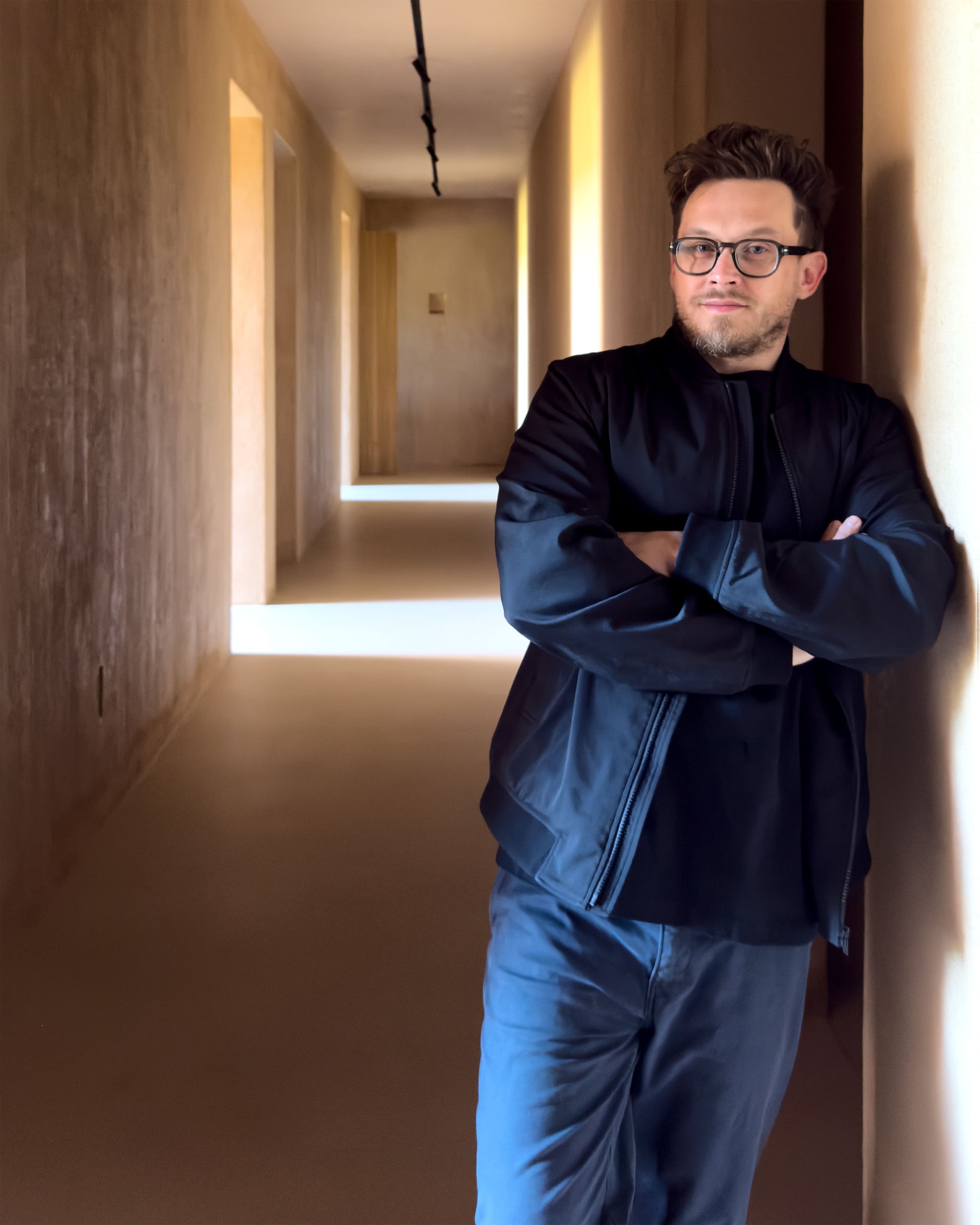
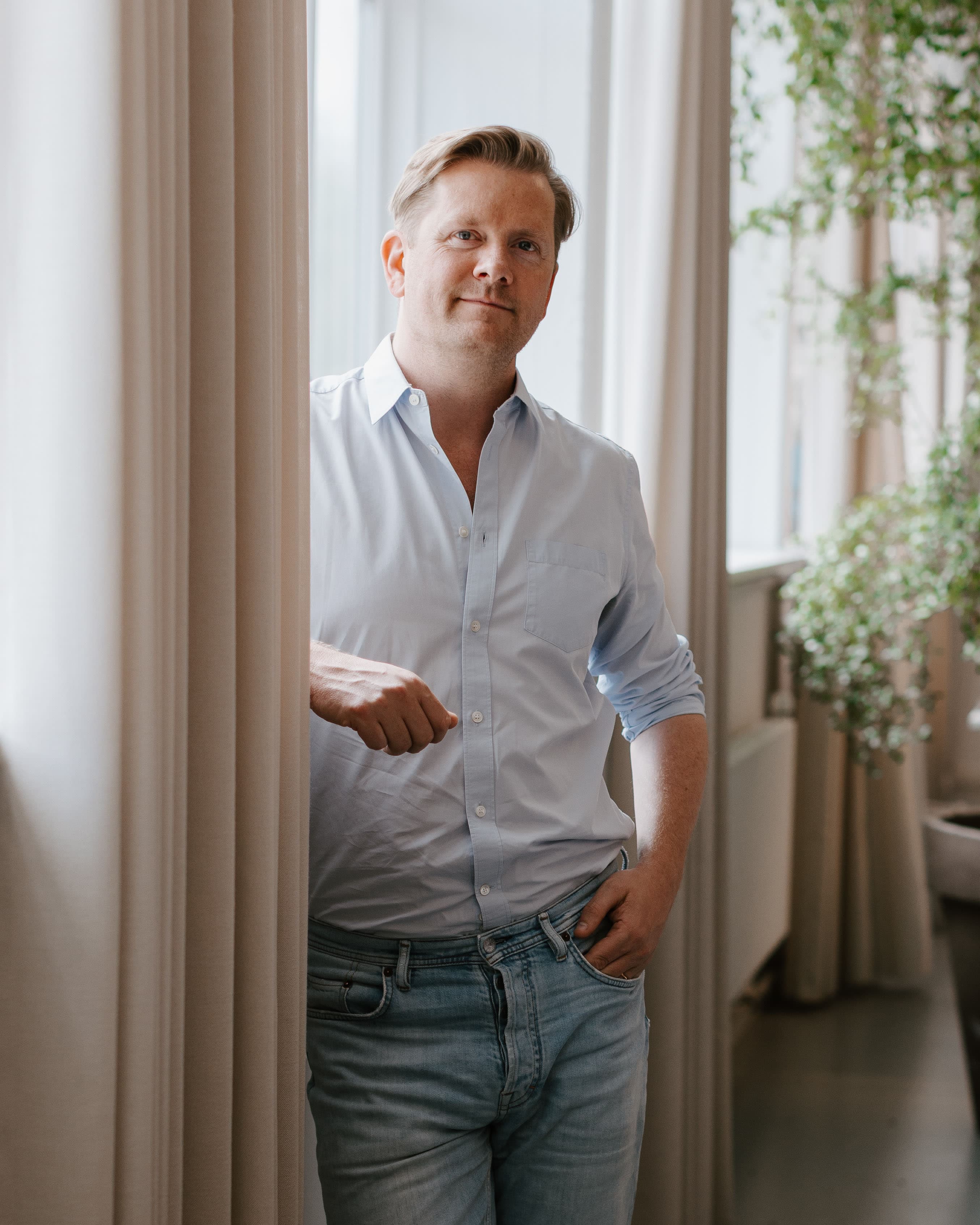
In this Frank Chat, we speak with Iñigo Palazón, one of DIIR’s founding partners, about collaboration, economic restraint, material responsibility, and the balance between ambition and care as the studio continues to grow beyond Madrid.

How does working as four partners shape the way decisions are made in the studio, and how does this collective structure influence the way ideas become spaces?
Over the years, we have built an organisational structure we are very proud of. Early on, we realised how difficult it could be to have four people leading the practice. Instead of trying to impose individual criteria, we focused on understanding what each of us does best and using that to our advantage.
Rather than dividing projects among us, we divide the tasks within each project. These tasks correspond to four phases that define our process, and each partner takes responsibility for one phase.
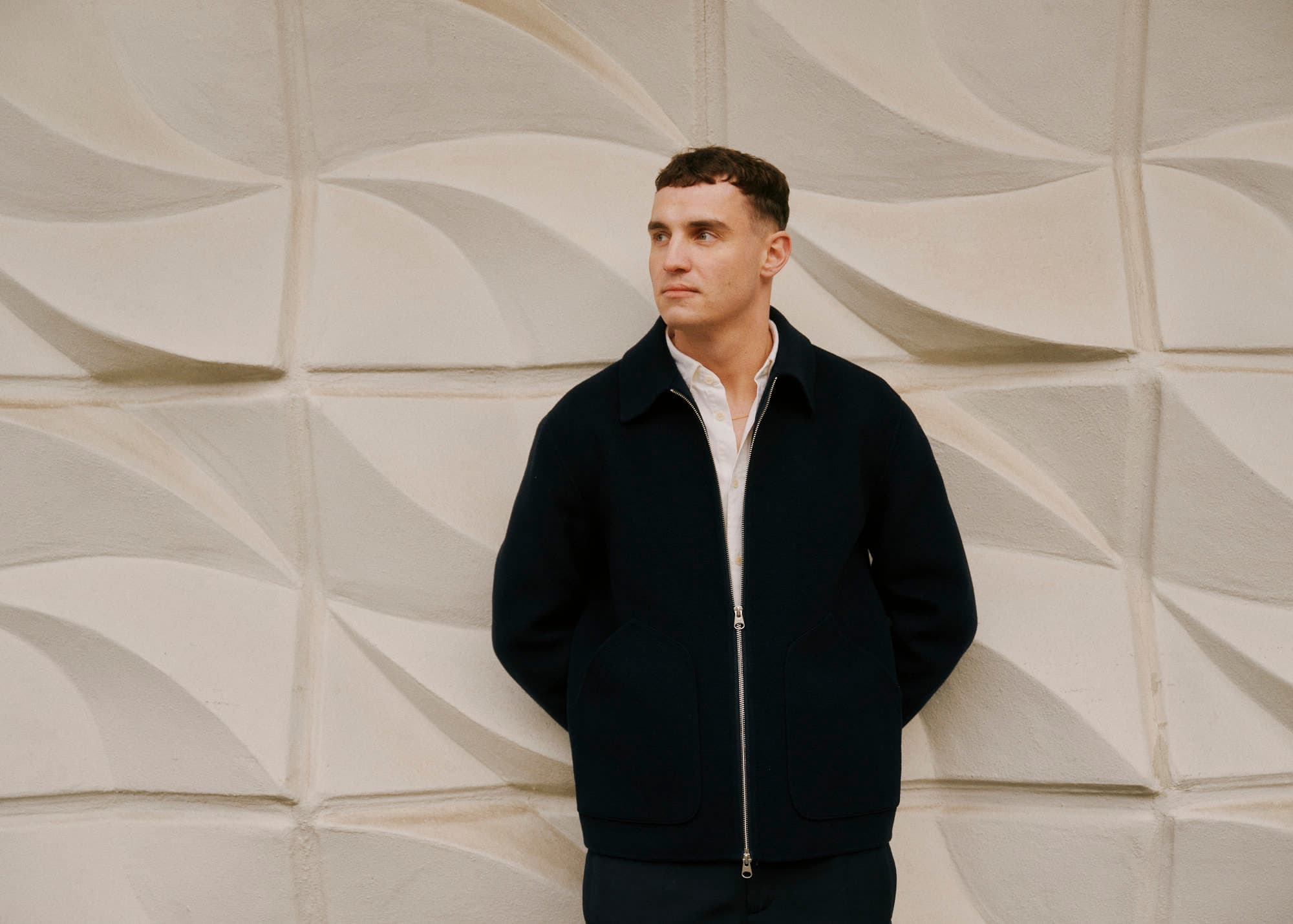
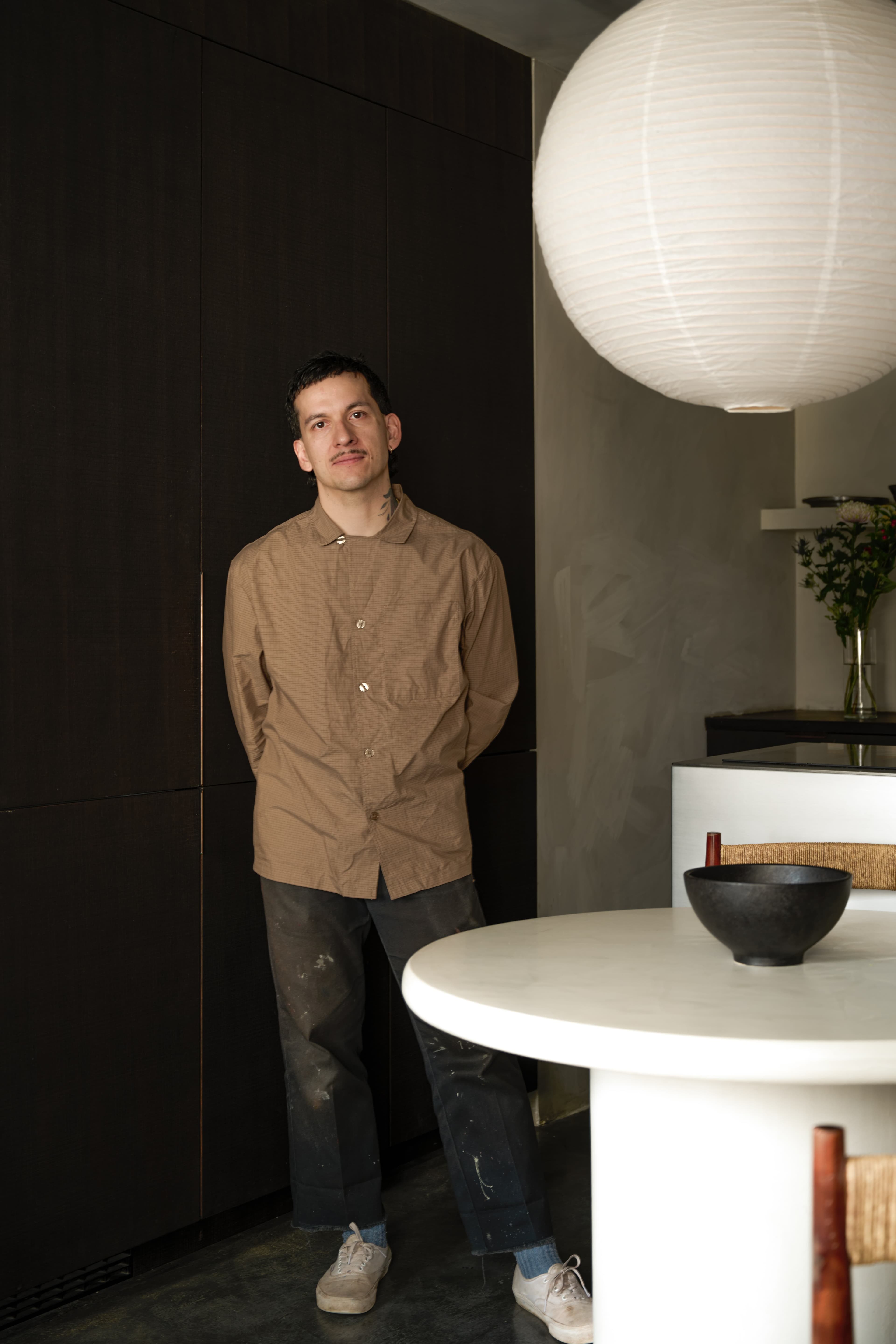
I, Iñigo, oversee the Strategic Phase. It is a listening stage in which we understand the client’s needs and translate them into narratives that lay the foundations for what follows. Next, the project moves to Ricardo, who leads the Conceptual Phase. Those initial ideas are developed into tangible design decisions, focusing on atmospheres, geometries, materials and textures. Third, Ignacio steps in during the Technical Phase. Here, the project is developed technically and constructively to reach a level of detail that allows us to have full control over what we do. Finally, we enter the Practical Phase, in which David becomes responsible for overseeing the construction process.
This methodology has been fundamental in optimising processes and delivering the value we believe we can offer. It also ensures constant dialogue between the four of us, since every idea is questioned before it becomes space, and each of us has been involved in one phase or another.

When you design a home, what do you carry into that work from your experience in other kinds of projects?
We often say that retail and hospitality have been essential in shaping our identity. In these projects we have had the opportunity to design with complete freedom. That has allowed us to explore countless concepts, materials and technical solutions, which we later applied to other types of work.
Retail and hospitality are sectors where innovation is the norm. Brands want to create impact on their audience, and that is why they are not afraid to take risks.
This landscape of experimentation has become a valuable opportunity to learn new ideas and bring them into residential projects. That is why we often approach the design of a home experimentally and through narrative, something frequent in the corporate world, and something that enriches both the process and the final result.
DIIR often speaks about resonance and longevity. How do you think about time when designing a project, both in how it is used and how it ages?
We are very drawn to these two concepts, and interestingly, we understand them as slightly opposed.
On the one hand, we associate longevity with timelessness. We promote designs that move away from fashions and trends so they can transcend them. For us, it is essential to commit to a sober and relaxed aesthetic that works today, but also twenty years from now. It is a difficult challenge, but we are convinced it can be achieved.
When we speak about resonance, we refer to the ability to move the user. Within that sober approach, we still aim to create proposals that leave an emotional impact. We seek to offer something singular and innovative, departing from standards and proposing different ways of doing things.
Time therefore becomes central to our practice. The challenge is to build atmospheres whose value does not depend on decorative or superfluous elements, but on the space itself and its essential qualities. Only in this way can our projects age with dignity.

How do economic constraints shape your projects, and how do you maintain your values while still creating spaces with character and depth?
Respecting the values and identity of our studio is key when approaching a project. Economic limitations always exist and it is important to understand them, but they should not compromise the essential value of the project.
Our intention is always to conceive projects whose value does not rely only on the quality of materials. We believe the conceptualisation and strategy of a project are just as important as its final aesthetic. For that reason, the budget should not be the only factor guiding a project. We have to be able to maintain our style beyond economic limitations.
When choosing materials, how do questions of responsibility influence your decisions, beyond purely aesthetic or technical considerations?
Material has always been fundamental to how we understand our practice. One of our four core pillars is Sensitivity, which refers to a project’s capacity to be expressive, closely linked to the use of material, its colours and its textures.
In this sense, we promote sincere and honest materials. For us, their value lies in their purity and natural character. Of course, we take technical and aesthetic questions into account, but we also value the expressiveness that comes from the material itself.
This explains our constant use of wood, stone, metals and ceramics in their most primary condition. It also pushes us to innovate continuously and seek materials that meet these criteria. At the moment, we are testing solutions such as earth, cork or cellulose, materials that, besides being natural, are also sustainable and responsible towards the environment.

How central are people’s movements and daily routines to the way you design a space?
Understanding a client’s needs is the first step toward a successful project. We try to understand how each member of a family will live in and experience the space.
We usually begin with a clear strategic direction, but from the earliest stages we test it through dialogue with the client. Their feedback does not always align with our initial ideas, but this is valuable. It pushes us to question assumptions and refine our thinking.
For us, this constant exchange is essential. It allows us to test our ideas and ensures that the final space genuinely responds to the people who will inhabit it.
At this moment, what questions feel most present for the studio, and what directions would you like to explore next?
One of our challenges is finding balance. We want to remain a studio that cares deeply about detail while increasing the scale and reach of our projects.
We are growing organically and are now a team of thirteen people. This excites us, but we do not want to lose the rigour and quality that brought us here. Maintaining that balance is our current focus.
Looking ahead, we are beginning to cross borders and initiate projects in different countries, not only in Europe but also elsewhere in the world. International expansion has always been part of our ambition, and we are now ready to explore that path more decisively.

Rapid Fire Questions
When does a space start to feel like home for you?
First and most important is that the space has a soul in itself. It is essential to connect with each atmosphere and feel identified with its essence. This is achieved through architecture.
Configuration, materials and light all contribute to wellbeing. Decoration can later domesticate the space, but the primary connection must come from its architectural foundations.
Is there a street or corner in Chamberí you find yourself passing through more often than planned?
I live in Chamberí and we have the studio in the same neighbourhood, so it is an area I walk through regularly. On my way between home and the studio, I often pass through Plaza de Olavide.
I enjoy how the area changes throughout the day. In the morning it feels calm and quiet. At night it becomes lively with bars and activity. In between, there are people sunbathing, children playing, and neighbours gathering.
What does a good evening in Chamberí look like for you, and where would you go for dinner?
What I appreciate most about Chamberí is its respect for tradition and character. Other neighbourhoods have been overtaken by tourism and have lost part of their essence.
A good evening would involve walking around Plaza de Olavide, visiting shops or bookshops, and ending in one of the local taverns. If I had to choose one, I would say Chez Pepito.

Creating Through Exchange
DIIR’s practice demonstrates how structure can support sensitivity and how dialogue can strengthen architecture rather than dilute it. Their method is not simply a system for efficiency, but a way of questioning ideas at every stage, from the first narrative to the final detail on site.
Across typologies, the studio returns to the same principles. Projects that do not depend on fashion. Atmospheres built from what is essential. Materials chosen with honesty and responsibility. What emerges is a consistent position. Architecture gains strength when it is shared, tested and refined, and when it is designed to resonate today while ageing with dignity.
Read More
View All